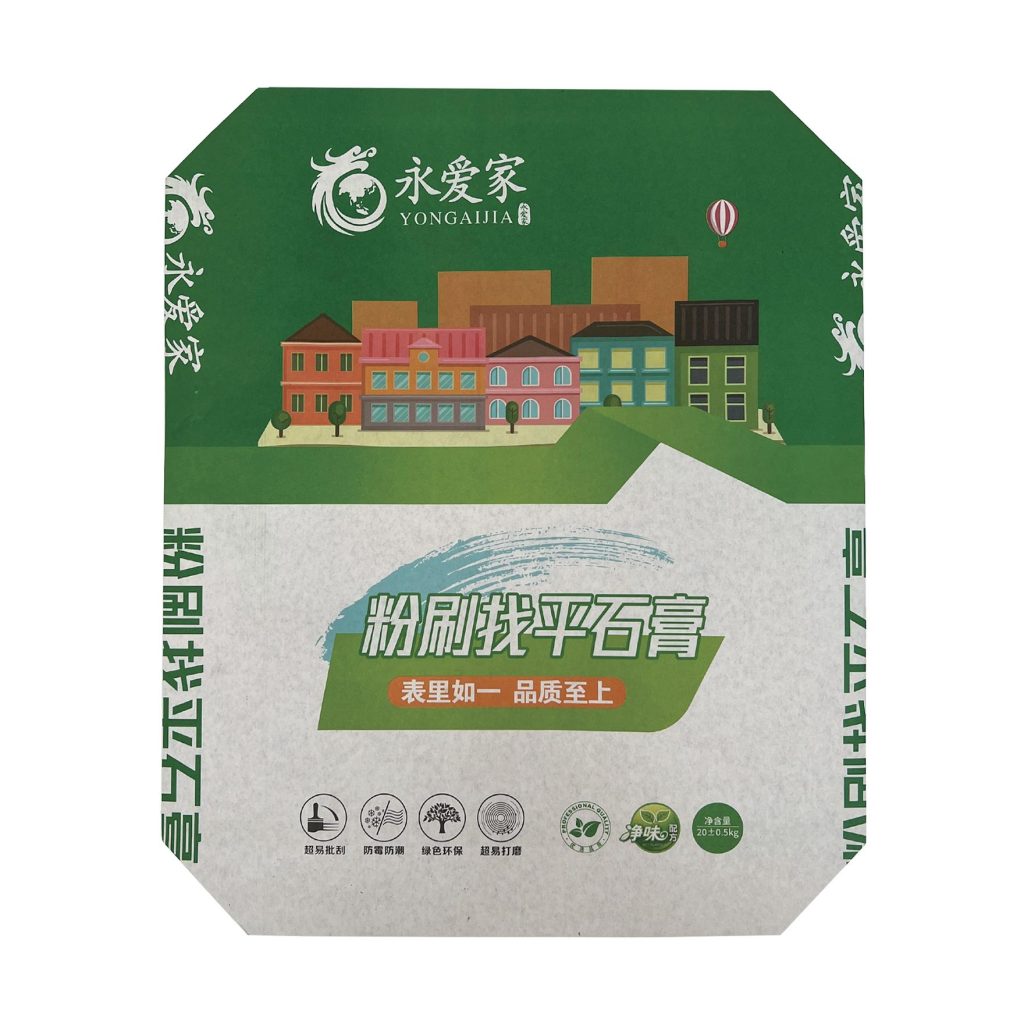
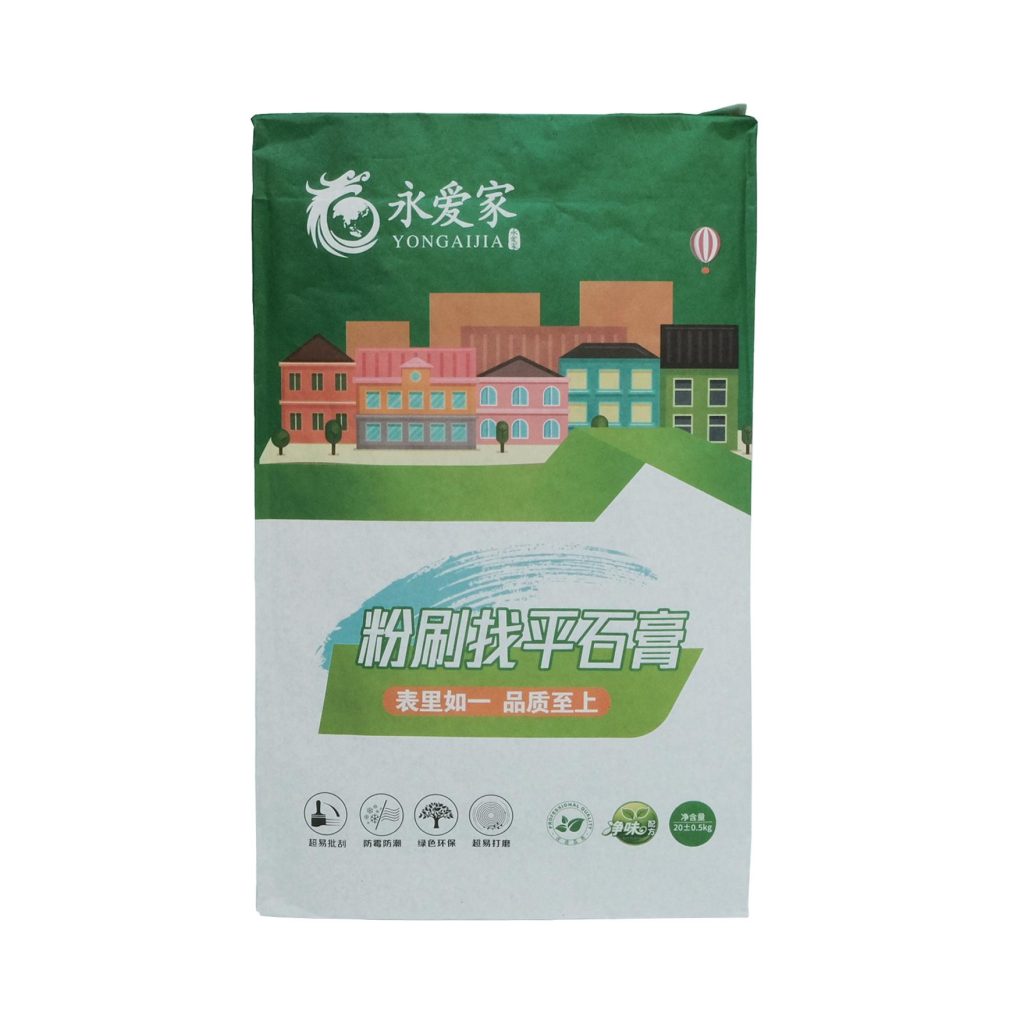
Three-Paper-One-Film Inner Valve Bag
The three-paper-one-film inner valve bag is also constructed with a base structure of three layers of Kraft paper plus one layer of PE film.
The key difference lies in its inner valve design, where the valve is concealed inside the bag body rather than exposed on the side or top.
This “hidden valve” design delivers distinct advantages in sealing performance and surface integrity, making it especially suitable for granular and powder materials with higher requirements for airtightness and cleanliness.
Key Advantages
Superior Sealing Performance
The inner valve adopts a dual sealing mechanism combining elastic rebound and air-pressure-assisted closure, capable of withstanding ±0.1 MPa pressure fluctuations.
Even in high-altitude transportation environments, it effectively prevents leakage caused by pressure differences, fully addressing the common issues of moisture absorption and powder leakage found in traditional external valve bags during long-distance transport.
Improved Resistance to Damage
Since the valve is concealed within the bag structure, it is protected from impact and abrasion during handling and transportation.
Drop tests from a height of 1.5 meters show an inner valve damage rate of only 0.3%, compared to 8.5% for external valve bags, demonstrating a substantial improvement in durability.
Enhanced Appearance Integrity
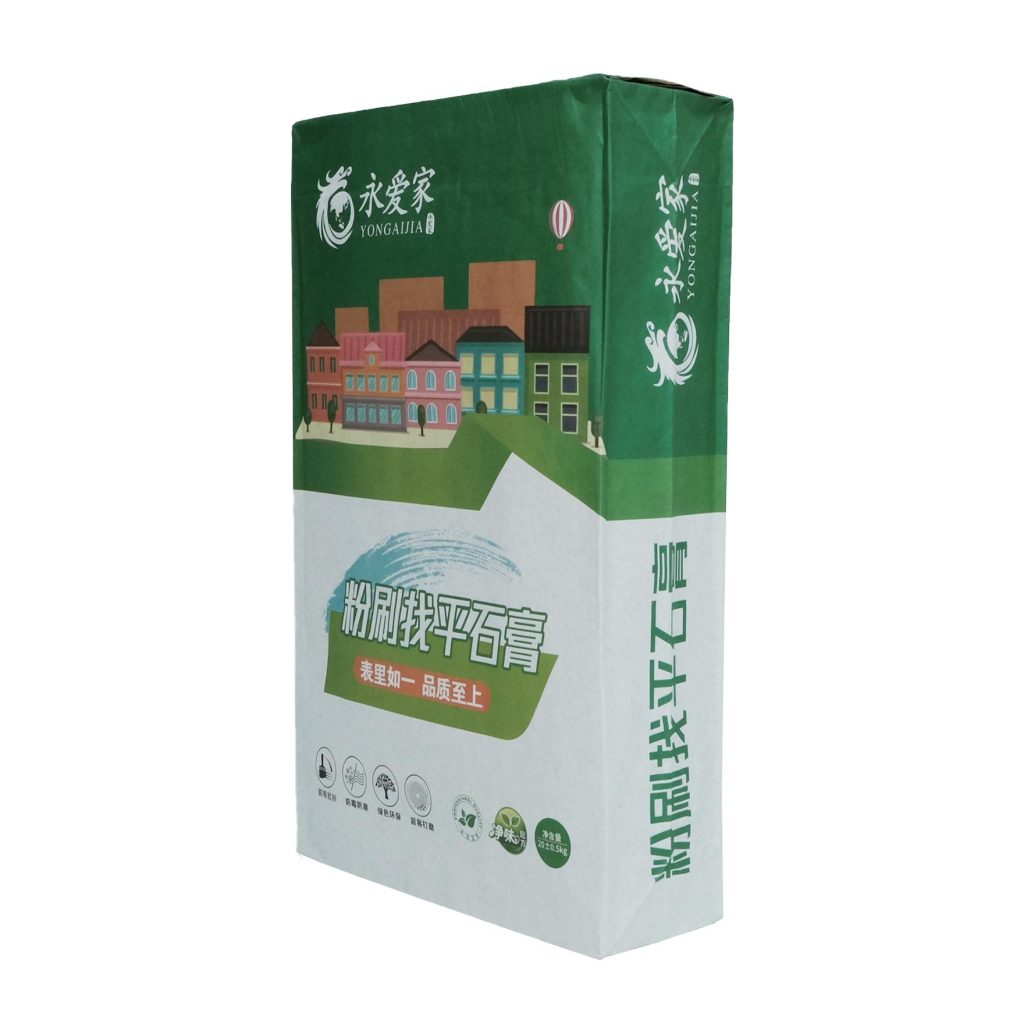
With no exposed valve opening, the bag surface remains smooth and uniform, allowing full-surface printing across the entire bag body.
This makes it ideal for applications requiring complete brand presentation, such as high-end building materials and export-grade food additives, significantly enhancing the product’s visual appeal and premium positioning.
Upgraded Compatibility with Automated Filling Systems
Although the inner valve structure is more complex, compatible automated filling equipment can achieve the same filling efficiency as external valve bags through negative-pressure material feeding and precise valve positioning technology.
The filling time per bag is only 8–10 seconds, with no manual adjustment required, ensuring high efficiency and stable operation in automated production lines.